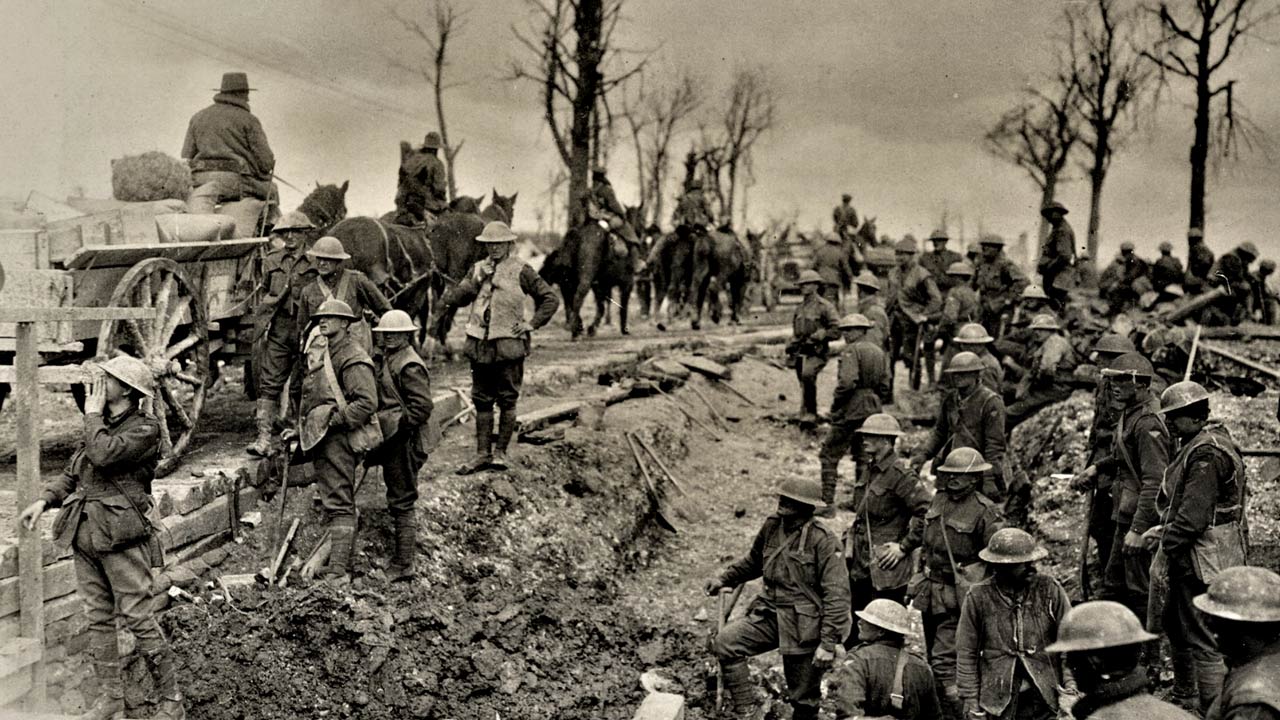
Anzac Day is a significant commemorative event observed in Australia and New Zealand on the 25th of April each year. This solemn occasion holds great importance as it pays tribute to the Australian and New Zealand Army Corps (ANZAC) who served and sacrificed their lives during World War I. In this blog post, we will delve into the history, traditions, and significance of Anzac Day, highlighting its enduring legacy in the hearts of both nations.
The Origins of Anzac Day:
Anzac Day originated from the landing of the ANZAC forces on the Gallipoli Peninsula in Turkey on April 25, 1915. Intended as a strategic maneuver to open the Dardanelles Strait during World War I, the campaign ultimately resulted in heavy casualties and the eventual withdrawal of the ANZAC forces. Despite the military setback, the courage, resilience, and comradeship displayed by the ANZAC troops left an indelible mark on the national identities of Australia and New Zealand.
Commemorative Traditions:
Anzac Day is observed through various commemorative traditions that unite communities and ensure the memory of the fallen soldiers endures. The dawn service, a solemn ceremony held before sunrise, is a central part of the day. People gather at war memorials, cenotaphs, and military cemeteries to honor the fallen, with the haunting sound of bugle calls and the reading of tributes adding a poignant touch.
The Anzac Spirit:
Anzac Day embodies the Anzac spirit, a notion that encompasses qualities such as courage, resilience, camaraderie, and selflessness. This spirit emerged from the shared experiences of soldiers on the Gallipoli Peninsula and has since become a defining aspect of the Australian and New Zealand national character. It represents the values that both nations hold dear and serves as a reminder of the sacrifices made by those who served in the armed forces.
Commemorating Beyond Gallipoli:
While Gallipoli holds immense historical significance, Anzac Day has expanded to honor the service and sacrifice of all Australian and New Zealand servicemen and women in subsequent conflicts. From World War II to the Korean War, Vietnam War, and modern-day conflicts, the day serves as a reminder of the ongoing dedication and commitment of the armed forces in protecting their nations' values and freedom.
Reflection and Remembrance:
Anzac Day offers an opportunity for reflection and remembrance for individuals and communities. The day prompts people to consider the cost of war, the experiences of those who have served, and the profound impact of conflict on families and society. Through ceremonies, marches, and visits to war memorials, the collective memory is kept alive, ensuring that the sacrifices made by the ANZACs are never forgotten.
Anzac Day Today:
In contemporary times, Anzac Day has evolved beyond its original commemorative purpose. It has become a time to express gratitude and support for all servicemen and women, both past and present. The day is marked by parades, sporting events, educational programs, and fundraising efforts for veterans' welfare. It serves as a reminder of the ongoing responsibility to support and care for those who have served their nations.
Conclusion:
Anzac Day is a deeply significant and cherished day in Australia and New Zealand, offering an opportunity to honor the courage, sacrifice, and service of the ANZACs and all those who have served in the armed forces. As communities gather in reflection and remembrance, the spirit of Anzac lives on, inspiring future generations to uphold the values of bravery, resilience, and selflessness.

Anzac Day: Honoring the Legacy of Courage and Sacrifice
- BY DND Battle Tours
- DATE 08/06/2023

Tour